Why LiFePO₄ Batteries Catch Fire: The Most Common Causes
Understanding the risks behind lithium battery fires and why proper installation, maintenance and specialist recovery matter.
Lithium iron phosphate (LiFePO₄) batteries have become a popular choice for residential, commercial and industrial solar energy storage systems across South Africa.
Known for their long lifespan, reliability and comparatively stable chemistry, LiFePO₄ batteries are widely regarded as one of the safer lithium-ion battery technologies available.
However, safer does not mean fireproof.
Although LiFePO₄ cells are generally more resistant to thermal runaway than many other lithium-ion chemistries, electrical faults, installation problems, physical damage and compromised safety systems can still result in overheating, fires or other hazardous incidents.
Understanding these risks is essential for installers, homeowners, businesses and insurance providers.
1. Electrical Faults and Short Circuits
Electrical faults are a significant potential cause of battery-related fires.
Damaged cables, loose electrical connections, inadequate circuit protection and external short circuits can result in excessive current flow and rapid heat generation.
Common contributing factors include:
-
Loose or incorrectly torqued battery terminals
-
Damaged or undersized electrical cables
-
Incorrect or inadequate fusing
-
Poorly installed busbars and electrical connections
-
External short circuits or damaged wiring
Excessive heating at connections can ignite surrounding materials or damage battery components, potentially escalating into a larger fire.
Proper cable sizing, correctly rated protection devices and professional installation are critical to reducing these risks.
2. Battery Management System (BMS) Failure
The Battery Management System (BMS) plays a vital role in maintaining safe battery operation.
It monitors essential parameters such as cell voltage, battery temperature and charging or discharging current.
The BMS is designed to protect the battery against potentially dangerous operating conditions.
However, when a BMS becomes damaged, is incorrectly configured or is deliberately bypassed, these protective functions may be compromised.
Potential consequences include:
-
Overcharging or excessive discharging
-
Failure to detect unsafe cell temperatures
-
Excessive current flow
-
Uncontrolled battery operation
-
Increased risk of overheating and electrical damage
A battery with a compromised BMS should not be returned to service without appropriate specialist assessment and verification.
3. Overcharging and Incorrect Charging Settings
LiFePO₄ batteries must operate within specific voltage, current and temperature limits established by their manufacturers.
Incorrect inverter settings, incompatible charging equipment or communication failures can cause a battery to operate outside its intended limits.
Common causes include:
-
Incorrect bulk or absorption voltage settings
-
Incompatible chargers or inverter configurations
-
Incorrect battery communication protocols
-
Firmware or communication compatibility issues
-
Charging beyond manufacturer-specified limits
Although battery protection systems are designed to prevent unsafe operation, relying exclusively on these systems cannot compensate for incorrect installation or configuration.
Correct inverter compatibility, communication settings and charging profiles are essential for safe battery operation.
4. Physical Damage to Battery Cells
Lithium batteries can sustain internal damage following impact, crushing, excessive vibration or improper handling.
In some cases, the external enclosure may appear relatively undamaged while internal cells, electrical connections or insulation have been compromised.
Such damage may result in internal short circuits, abnormal heating or delayed electrical failure.
Batteries that have been dropped, involved in accidents or exposed to significant mechanical stress should be assessed before being returned to service.
A damaged enclosure is not always the only indication of a compromised battery.
5. Water Ingress and Moisture Exposure
Water exposure is another serious concern for lithium battery systems.
Flooding, roof leaks, burst pipes, condensation and firefighting water can introduce moisture into battery enclosures.
Depending on the extent of exposure, water ingress can cause:
-
Corrosion of terminals, busbars and electrical connections
-
Damage to the Battery Management System
-
Reduced electrical insulation
-
Short circuits and electrical faults
-
Delayed component failure
One of the greatest concerns is that water-related damage may not result in immediate failure.
A battery may initially appear functional while internal deterioration continues.
A battery that switches on after water exposure is not necessarily safe for continued operation.
Significantly water-damaged batteries should be isolated and professionally assessed before any attempt is made to reuse them.
6. Poor Installation and Non-Compliant Systems
Even a high-quality battery can become hazardous when installed incorrectly.
Poor installation practices may introduce electrical, mechanical and thermal risks that compromise the safety of the entire energy storage system.
Potential problems include:
-
Inadequate ventilation or excessive environmental temperatures
-
Incorrect battery mounting
-
Improper electrical isolation
-
Inadequate overcurrent protection
-
Incorrect cable sizing
-
Failure to follow manufacturer installation instructions
-
Non-compliance with applicable electrical safety requirements
Professional installation, appropriate equipment selection and regular maintenance are essential to reducing these risks.
7. Reuse of Damaged or End-of-Life Batteries
One frequently overlooked concern is the resale or reuse of previously damaged lithium batteries.
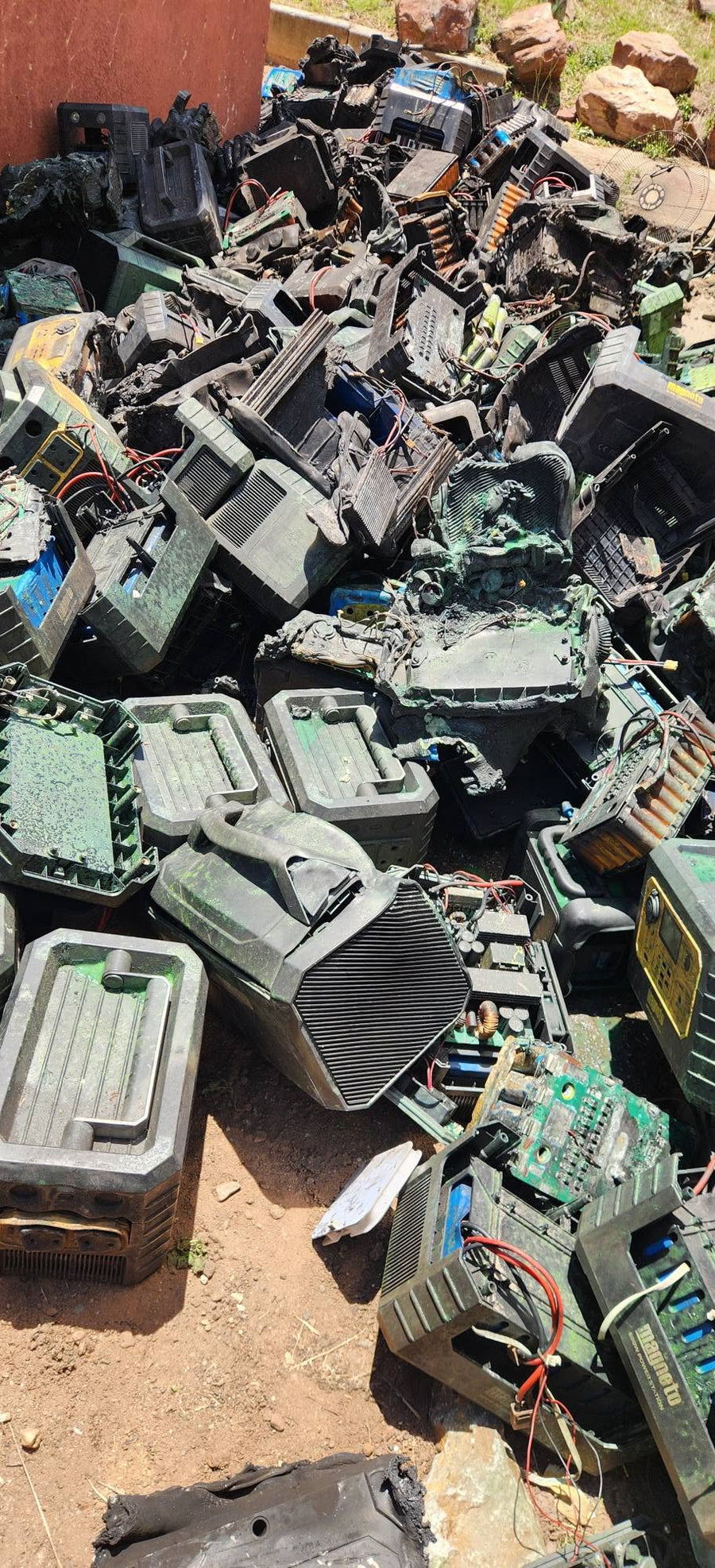
Batteries that have been exposed to fires, flooding, electrical faults or significant physical damage may contain hidden defects.
These defects may not be immediately identifiable through basic functionality testing.
Reinstalling compromised equipment without appropriate assessment can introduce unnecessary risks into another property or installation.
A battery that has been involved in a serious incident should not automatically be considered suitable for resale or reuse simply because it still holds a charge.
Responsible salvage, specialist assessment and appropriate end-of-life processing are essential for preventing potentially dangerous equipment from re-entering the market.
Are LiFePO₄ Batteries Actually Safe?
Yes. When properly manufactured, installed, maintained and operated, LiFePO₄ batteries generally offer a strong safety profile compared with many other lithium-ion technologies.
Their chemistry provides greater thermal stability and a lower propensity for thermal runaway.
However, this does not eliminate risks associated with electrical faults, damaged electronics, incorrect system design or external fire exposure.
Importantly, not every fire involving a LiFePO₄ battery originates within the battery cells.
Fires can begin in external cables, electrical connections, inverters, distribution equipment or other system components before spreading to the battery installation.
Determining the actual cause requires an appropriate technical investigation rather than assuming that the battery chemistry itself was responsible.
The Importance of Specialist Battery Fire Recovery
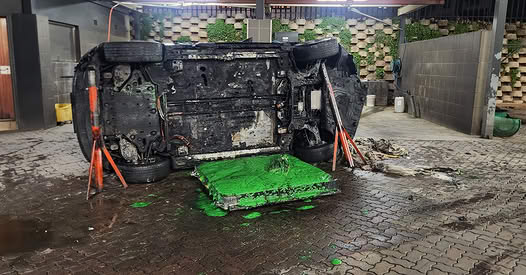
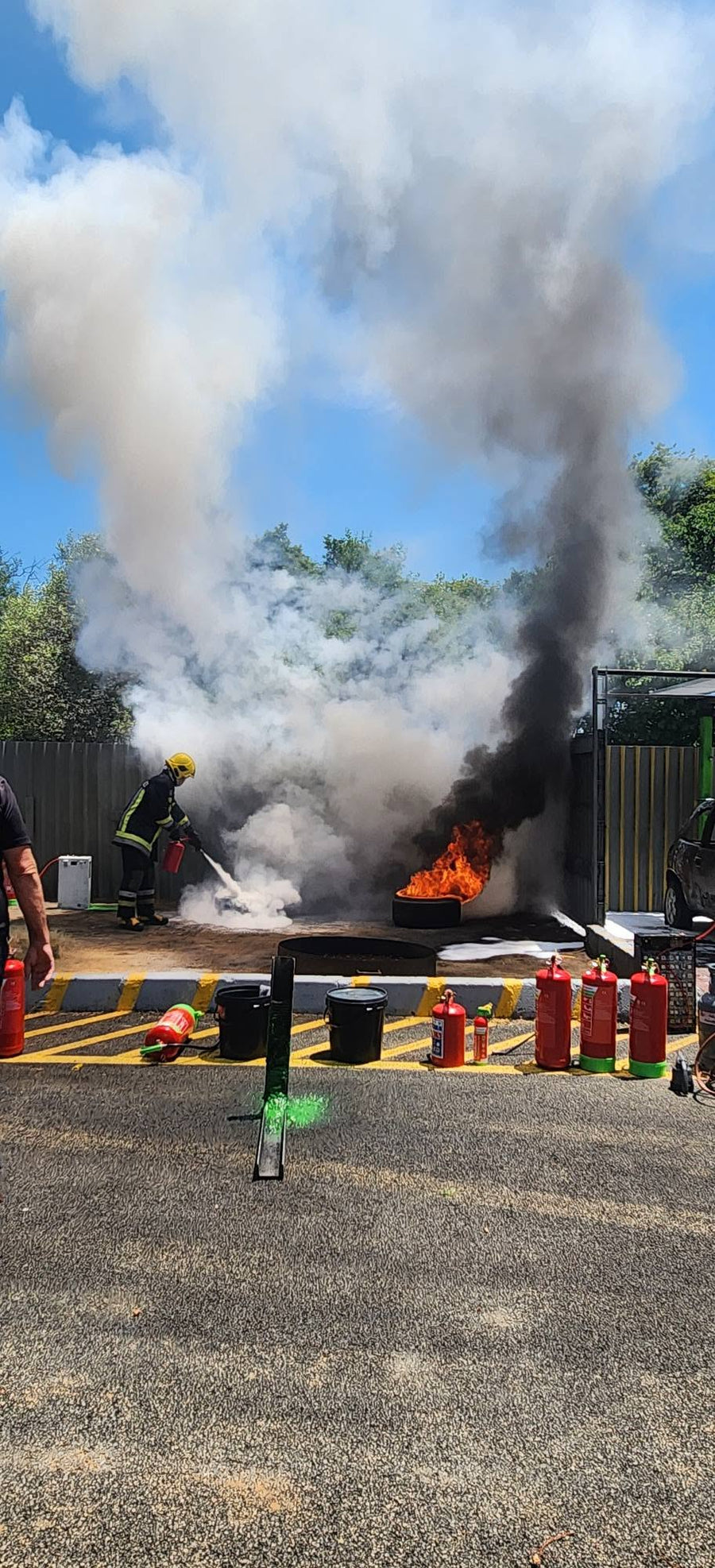
Once a battery has been involved in a fire or serious electrical incident, the immediate danger may not be completely eliminated when visible flames disappear or the power supply is switched off.
Compromised equipment can retain stored electrical energy and may present additional electrical or thermal hazards.
This is why professional assessment, controlled isolation and safe recovery are important.
At Salvage Solar, we specialise in the assessment, salvage, recovery and responsible recycling of damaged renewable energy equipment.
Our services include:
-
Battery fire damage recovery: Specialist assessment and removal of fire-affected energy storage equipment.
-
Insurance damage assessments: Assisting insurers, assessors and property owners with damaged solar and electrical systems.
-
Water-damaged equipment recovery: Assessment, isolation and removal of compromised batteries and inverters.
-
Solar system decommissioning: Controlled removal of damaged, obsolete or end-of-life renewable energy installations.
-
Equipment salvage and recycling: Recovery and responsible processing of batteries, inverters, solar panels and associated components.
-
Scrap solar equipment purchasing: Purchasing damaged, faulty, obsolete and end-of-life renewable energy equipment for appropriate salvage and recycling.
Our focus is on reducing ongoing risks while ensuring damaged renewable energy equipment is handled responsibly.
Preventing Secondary Damage and Repeat Incidents
Lithium battery safety extends beyond the battery itself.
Correct installation, compatible equipment, appropriate protective systems and regular maintenance all contribute to reducing the likelihood of fire.
When damage does occur, the way affected equipment is assessed, isolated and recovered can be just as important as the initial emergency response.
Whether an incident involves fire, flooding, electrical faults or physical damage, compromised battery systems should be treated with caution until their condition has been professionally established.
Risk doesn't always end when the power is switched off.
At Salvage Solar, we help homeowners, installers, commercial operators and insurance providers manage these risks through specialist assessment, recovery, salvage and responsible recycling.
Need Assistance with Damaged Lithium Batteries or Solar Equipment?
If your solar installation has experienced a battery fire, electrical failure, flooding or other damage, Salvage Solar can assist with specialist recovery and responsible equipment handling.
We also purchase scrap, faulty, damaged and end-of-life solar equipment, including lithium batteries, inverters, solar panels and associated electrical components.
Salvage Solar (Pty) Ltd
Specialist Solar Equipment Salvage, Recovery & Recycling
Website: www.salvagesolar.co.za