The Hidden Risk: Why Lithium Batteries Can Re-Ignite After a Fire
The flames may be out, but the danger isn't always over. Understanding lithium battery re-ignition and why professional recovery is essential.
When a lithium battery fire has been extinguished, it is easy to assume that the immediate danger has passed.
However, damaged lithium batteries can remain hazardous long after visible flames have disappeared. Residual electrical energy, internal damage and ongoing thermal activity can create the conditions for a secondary fire.
Even lithium iron phosphate (LiFePO₄) batteries, widely regarded as one of the safer lithium-ion battery chemistries, can present a risk of re-ignition following severe damage.
For homeowners, businesses, solar installers and insurance companies, understanding these risks is essential to preventing further property damage and protecting occupants.
Why Can Lithium Batteries Re-Ignite After a Fire?
Unlike many conventional fires, lithium battery incidents can involve internal electrical and chemical processes that are not immediately visible from outside the battery enclosure.
Extinguishing external flames does not necessarily mean the affected cells have cooled sufficiently or that all internal hazards have been eliminated.
Several factors can contribute to re-ignition.
1. Residual Stored Electrical Energy
Lithium batteries can retain substantial electrical energy even after a fire or electrical failure.
Damaged cells may remain partially charged, while compromised wiring and electrical connections can create unpredictable discharge paths.
Under certain conditions, this residual energy can contribute to further electrical faults, localised heating or additional thermal events.
Disconnecting a damaged battery from an inverter does not necessarily eliminate the energy stored within its cells.
2. Internal Short Circuits
Fire exposure, mechanical damage and extreme temperatures can compromise the internal structure of battery cells.
When internal insulation or separators are damaged, unintended electrical connections may develop between cell components.
These internal short circuits can generate heat and, in severe cases, contribute to renewed thermal activity.
Some internal faults may only become apparent after the initial incident.
3. Battery Management System (BMS) Failure
The Battery Management System plays a critical role in monitoring battery voltage, current and temperature, and enforcing protective operating limits.
During a fire, the BMS and its associated sensors, wiring and switching components may be damaged or destroyed.
This can compromise the battery's ability to detect unsafe operating conditions or disconnect affected electrical circuits.
A fire-damaged battery should therefore never be assumed safe simply because its BMS display or monitoring system is no longer reporting a fault.
4. Continued Internal Thermal Reactions
One of the most important risks following a battery fire is the possibility of ongoing internal heating.
Although external flames may have been extinguished, damaged cells or surrounding materials may remain at elevated temperatures.
In some lithium-ion battery incidents, thermal runaway can continue or propagate between affected cells, creating further heat and potentially causing renewed ignition.
LiFePO₄ chemistry is generally more thermally stable than many other lithium-ion chemistries, but severe damage, electrical faults or external fire exposure can still create hazardous conditions.
5. Disturbance of Fire-Damaged Equipment
Moving, opening or handling a severely damaged battery can introduce additional hazards.
Mechanical disturbance may damage already weakened components, expose hot materials to fresh air or create new electrical contact between compromised conductors.
For these reasons, fire-damaged lithium batteries should only be handled by appropriately trained personnel using suitable procedures and protective equipment.
Can a Lithium Battery Re-Ignite Hours or Days Later?
Yes. Delayed re-ignition is a recognised risk following certain lithium-ion battery incidents.
Depending on the battery chemistry, construction, state of charge, extent of damage and effectiveness of cooling, secondary thermal events may occur hours or potentially days after the original fire.
However, not every damaged battery will re-ignite, and the level of risk varies considerably between incidents.
The absence of visible smoke, flames or unusual sounds does not, on its own, establish that the battery is safe.
Proper assessment, monitoring and appropriate handling are necessary before determining the next steps.
Why Leaving a Fire-Damaged Battery on Site Can Be Dangerous
A severely damaged energy storage system may remain a source of electrical, thermal and contamination hazards after the initial emergency response.
When compromised equipment is left close to occupied structures, combustible materials or other electrical installations, secondary incidents can result in further damage.
Potential consequences include:
-
Secondary fires affecting surrounding structures
-
Additional damage to solar and electrical equipment
-
Exposure to hazardous smoke or fire residues
-
Risks to occupants, contractors and emergency responders
-
Additional insurance claims and property losses
From a risk management and insurance perspective, appropriate isolation and specialist recovery can significantly reduce exposure to further loss.
Where a battery is considered unsafe for continued storage on the premises, controlled removal to a suitable secure facility may be recommended.
Best Practices Following a Lithium Battery Fire
The recovery process should not end when visible flames disappear.
Depending on the severity of the incident and the battery manufacturer's requirements, appropriate post-fire management may include:
Controlled Fire Suppression and Cooling
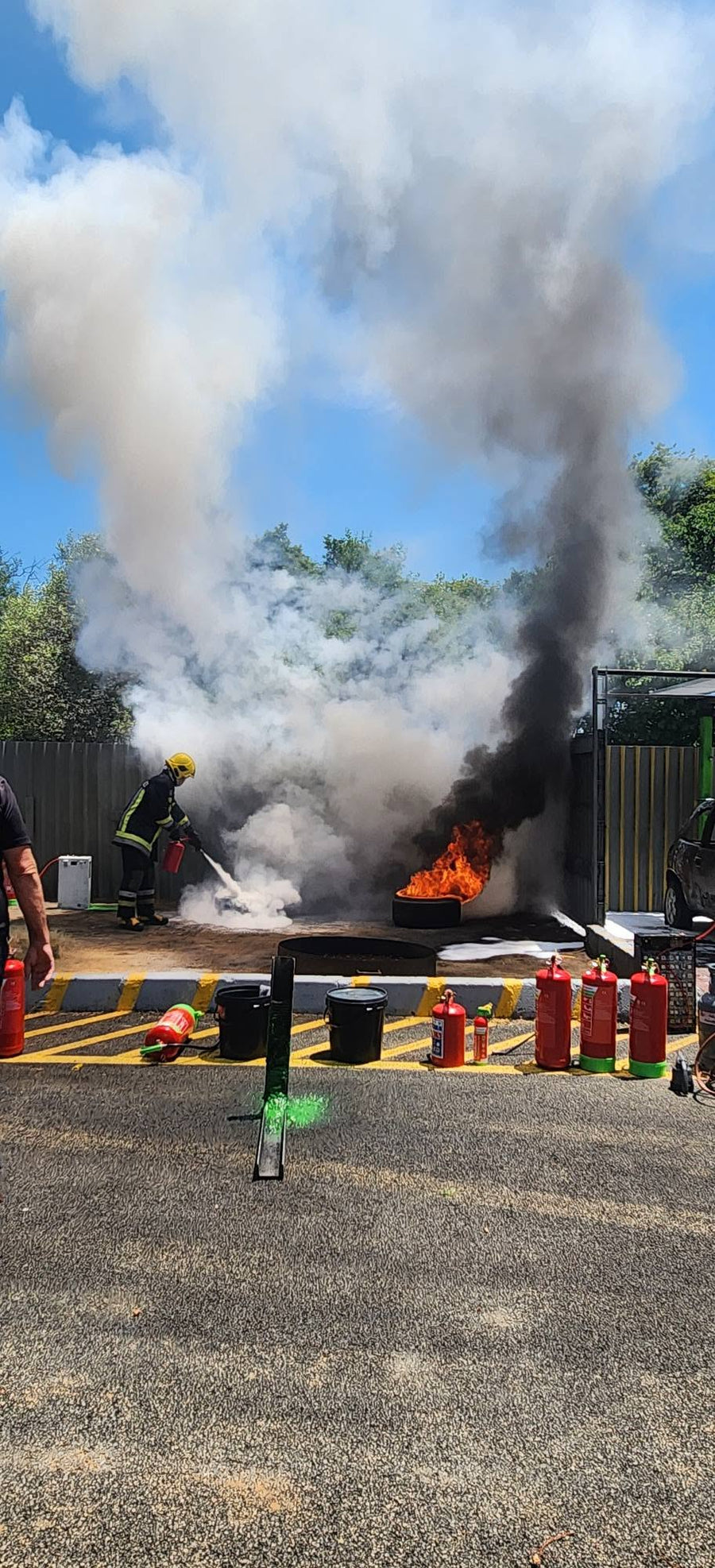
Emergency responders should use suitable firefighting methods and maintain appropriate precautions to manage residual heating and potential re-ignition.
Thermal and Electrical Assessment
Qualified personnel should assess the condition of the affected equipment, including potential residual heat, electrical energy and structural damage.
Safe Isolation
Damaged equipment should be electrically isolated where it is safe and practical to do so. Battery cells may remain energised even after external power connections are disconnected.
Controlled Removal
Where appropriate, compromised equipment should be removed from occupied premises by trained specialists following a documented risk assessment.
Secure Storage and Containment
Recovered batteries should be transferred to a suitable location with appropriate controls for damaged or potentially unstable energy storage equipment.
Documented Chain of Custody
For insurance and recovery purposes, the handling process should be documented, including equipment identification, condition, collection details and transfer records.
These measures support both safety management and the traceability of damaged equipment.
How Salvage Solar Assists After Lithium Battery Fires
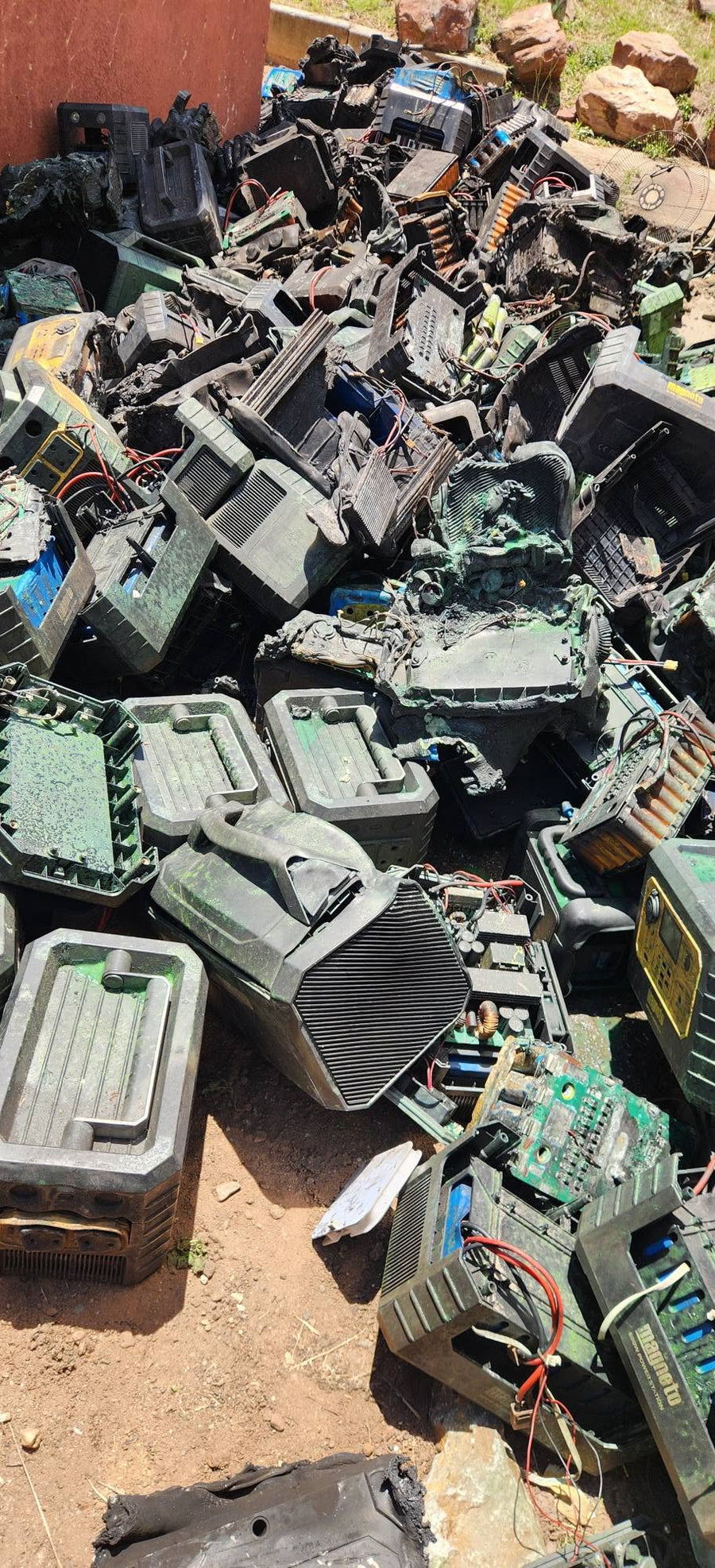
At Salvage Solar, we specialise in post-incident assessment, salvage and recovery of damaged renewable energy equipment.
Our focus is not simply on removing equipment, but on helping property owners, installers and insurance providers manage the risks associated with compromised solar and energy storage systems.
Our services include:
-
Lithium Battery Fire Recovery: Specialist recovery and handling of fire-damaged energy storage equipment.
-
Insurance Damage Assessments: Technical assessments and documentation supporting insurance-related recovery processes.
-
Safe Equipment Isolation and Removal: Controlled removal of compromised batteries, inverters and associated electrical components.
-
Solar System Decommissioning: Removal of damaged, obsolete or end-of-life solar installations.
-
Damaged Equipment Salvage: Recovery and evaluation of affected renewable energy assets.
-
Battery and Solar Equipment Recycling: Responsible handling and recycling of equipment no longer suitable for reuse.
-
Scrap Solar Equipment Purchasing: Purchasing damaged, faulty, obsolete and end-of-life batteries, inverters, solar panels and other renewable energy components, subject to assessment.
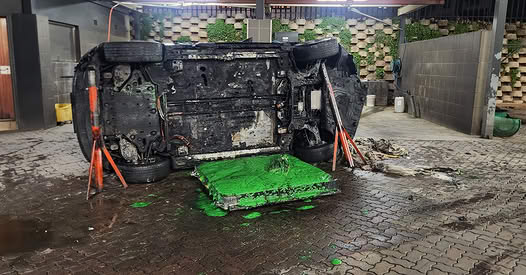
We also work with specialist firefighting solutions, including Fireblock Lithium Firefighting Gel, where appropriate to the incident and equipment involved.
Our objective is to reduce ongoing hazards, protect property and support responsible end-of-life management of damaged renewable energy equipment.
The Fire May Be Out, but the Risk May Remain
Lithium battery fires present challenges that can continue beyond the initial emergency response.
Residual stored energy, internal electrical faults, damaged protection systems and ongoing thermal activity may create risks that are not immediately visible.
This makes professional post-fire assessment and recovery an important part of managing affected solar and energy storage installations.
The absence of flames does not always mean the absence of danger.
At Salvage Solar, we believe that proper assessment, controlled isolation and responsible recovery play a critical role in preventing secondary damage and protecting people, property and the environment.
Need Assistance with Fire-Damaged Lithium Batteries?
If a lithium battery, inverter or solar installation has been affected by a fire, flooding or electrical incident, Salvage Solar can assist with specialist assessment, equipment recovery, salvage and responsible recycling.
Salvage Solar (Pty) Ltd
Specialist Solar Equipment Salvage, Recovery & Recycling
Website: www.salvagesolar.co.za