The Hidden Risks of Water-Damaged LiFePO₄ Batteries
Why water exposure can compromise lithium battery safety long after the initial incident.
Lithium iron phosphate (LiFePO₄) batteries are widely used in residential, commercial and industrial solar energy storage systems due to their reliability, efficiency and comparatively stable battery chemistry.
However, despite their advanced safety features, LiFePO₄ batteries are not immune to water damage.
Exposure to flooding, leaking roofs, burst pipes or other sources of moisture can compromise a battery's electrical integrity and long-term safety, even when the system initially appears to operate normally.
At Salvage Solar, we understand that the greatest risk associated with water-damaged energy storage equipment is often the damage that cannot immediately be seen.
How Water Damage Affects Lithium Batteries
Water ingress can affect several critical components within a LiFePO₄ battery system.
1. Electrical Insulation and Short Circuits
Moisture entering a battery enclosure can compromise electrical insulation, potentially creating unintended conductive paths between internal components. This increases the risk of short circuits, electrical faults and localised heating.
2. Corrosion of Internal Components
Water exposure can accelerate corrosion of electrical terminals, busbars, wiring and connectors. Over time, this corrosion may increase electrical resistance, weaken connections and affect the battery's performance and reliability.
3. Battery Management System (BMS) Damage
The Battery Management System is one of the most important safety components within a lithium battery.
It monitors critical operating conditions, including voltage, current and temperature, and helps protect the battery against unsafe charging and discharging.
Water damage to the BMS can interfere with these protective functions, potentially leaving the battery vulnerable to electrical faults, overheating or uncontrolled operation.
The Danger of Delayed Battery Failure
One of the most concerning aspects of water-damaged lithium batteries is that failure does not always occur immediately after exposure.
A battery may appear functional during initial testing while internal corrosion, insulation damage or electronic faults continue to develop.
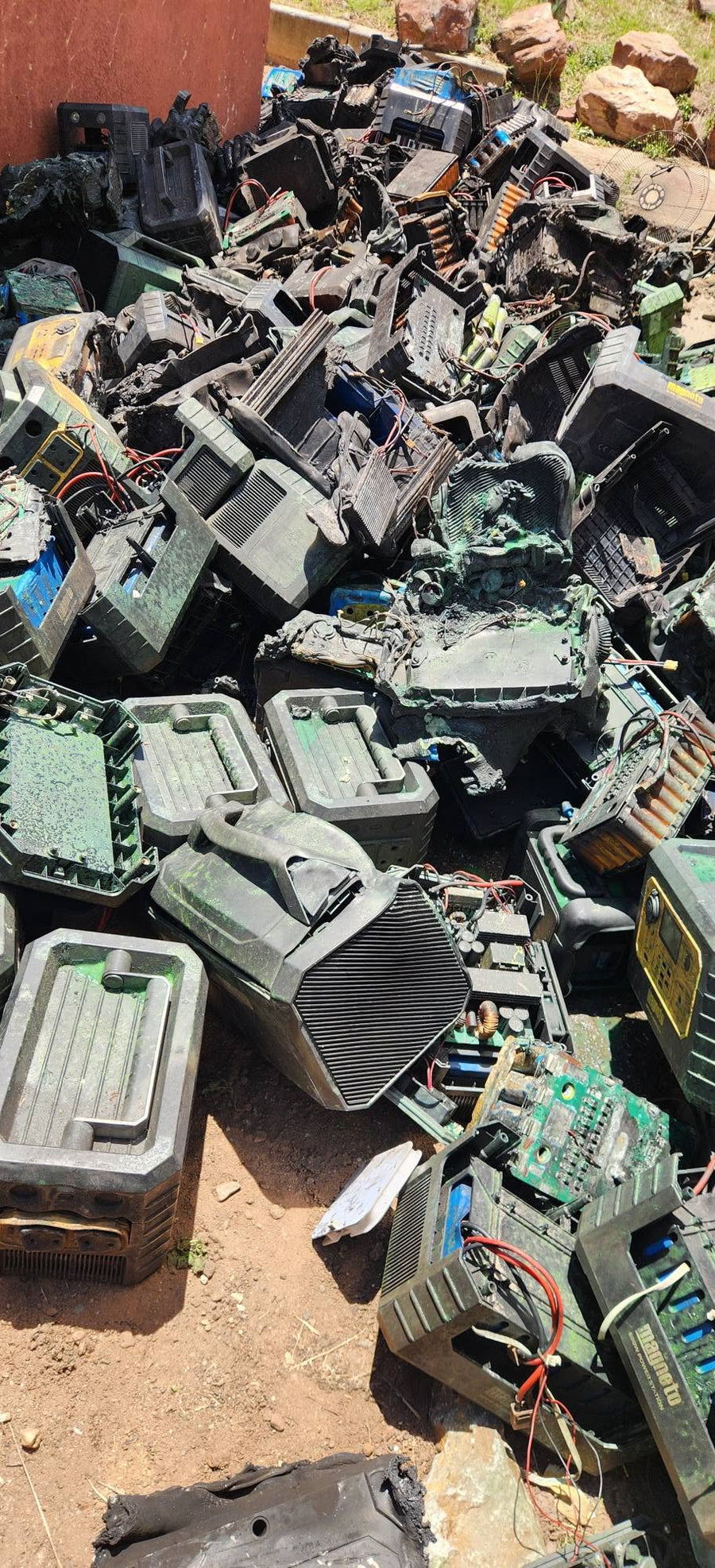
These hidden defects can potentially lead to failures days or even weeks after the original water exposure.
Possible consequences include:
-
Unexpected battery shutdowns or malfunctions
-
Internal short circuits and electrical faults
-
Excessive heating during charging or discharging
-
Failure of critical BMS protection functions
-
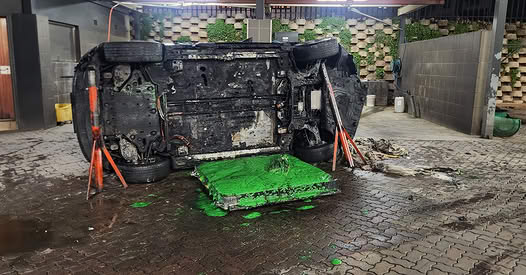
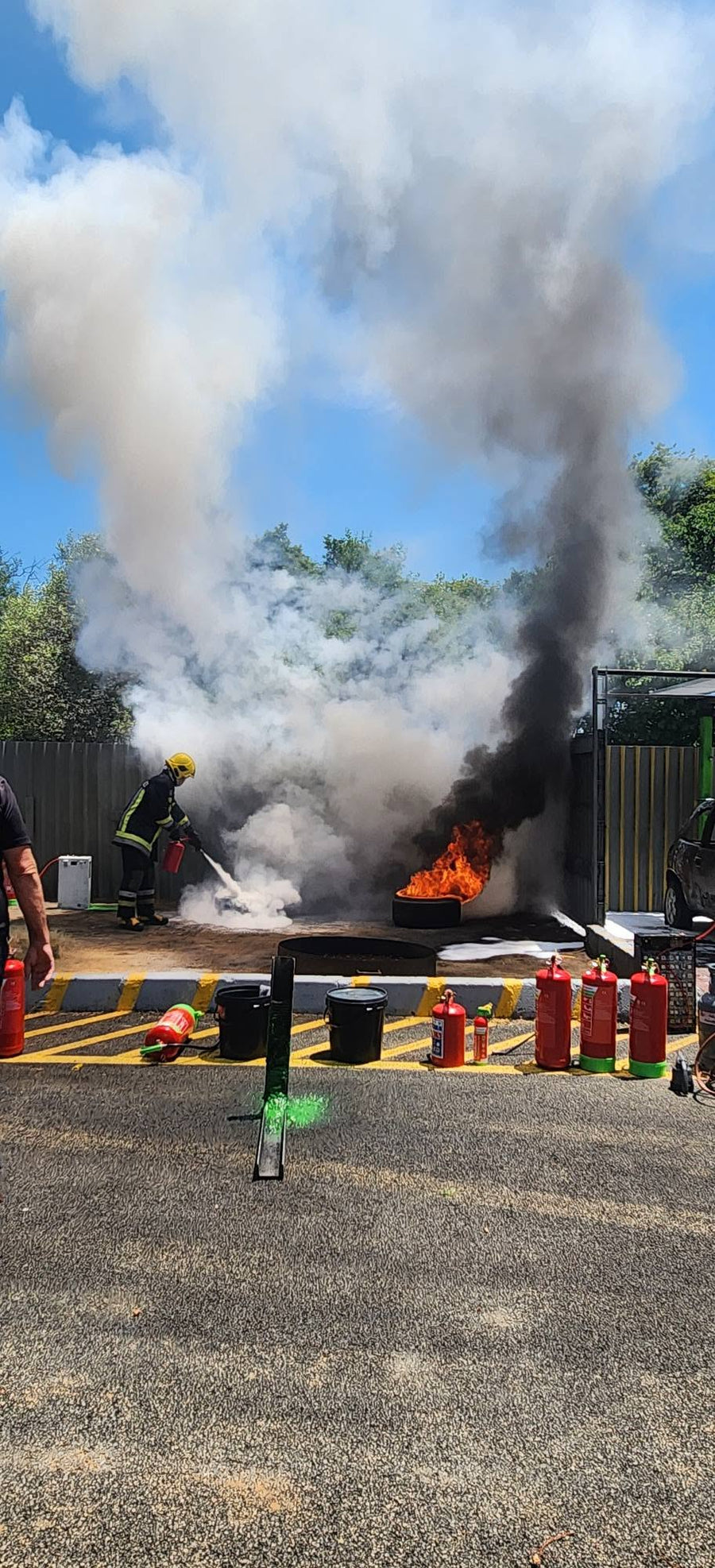
Secondary thermal events or fire under certain fault conditions
This is why basic functionality testing alone cannot establish that a water-exposed battery is safe for continued operation.
Why Water-Damaged Batteries Should Be Professionally Assessed and Removed
From an insurance, safety and liability perspective, a battery that has experienced significant water ingress should be treated as potentially compromised until a suitably qualified specialist has established its condition.
In cases of severe or confirmed internal water damage, continued operation may present an unacceptable risk.
Removing compromised equipment from occupied premises can significantly reduce the potential for secondary property damage and risks to occupants.
However, removal must be carried out using appropriate electrical isolation, handling and transport procedures.
Depending on the extent of damage, equipment may require controlled storage, specialist recovery or compliant end-of-life processing.
Salvage Solar's Approach to Water-Damaged Battery Recovery
At Salvage Solar, we specialise in the assessment, salvage and recovery of damaged renewable energy equipment, including water-exposed lithium battery systems.
Our services include:
-
Damage assessments: Evaluating battery condition and identifying visible signs of water ingress, corrosion and electrical damage.
-
Insurance-related recoveries: Assisting insurers, assessors and property owners with damaged solar and energy storage equipment.
-
Safe isolation and removal: Coordinating the controlled disconnection and recovery of compromised battery systems.
-
Equipment salvage: Identifying appropriate recovery options for damaged or economically unrepairable equipment.
-
Responsible recycling: Facilitating the compliant handling and recycling of end-of-life lithium batteries and associated electrical components.
We also purchase damaged, faulty, scrap and end-of-life solar equipment, including lithium batteries, inverters, solar panels and other renewable energy components.
Protecting Property Beyond the Initial Water Damage
Flooding or water ingress may appear to be an isolated incident, but its consequences can extend far beyond the visible damage.
When lithium battery systems are involved, undetected internal deterioration can create ongoing safety and reliability concerns.
A battery that powers on after water exposure is not necessarily a battery that is safe to operate.
Professional assessment, appropriate isolation and, where necessary, safe removal and responsible recycling are critical steps in reducing long-term risks.
At Salvage Solar, our focus is on helping homeowners, businesses and insurance providers manage damaged renewable energy equipment responsibly while protecting people, property and the environment.
Need Assistance with Water-Damaged Solar Equipment?
If your lithium battery, inverter or solar