Lithium Battery Re-Ignites Three Weeks After Fire: Specialist Recovery in Kimberley
A residential lithium battery fire in Kimberley demonstrates why the danger doesn't always end when the flames are extinguished.
On 29 January 2026, a serious lithium battery fire occurred at a residential property in Kimberley, South Africa, involving five imported 5kWh lithium iron phosphate (LiFePO₄) batteries.
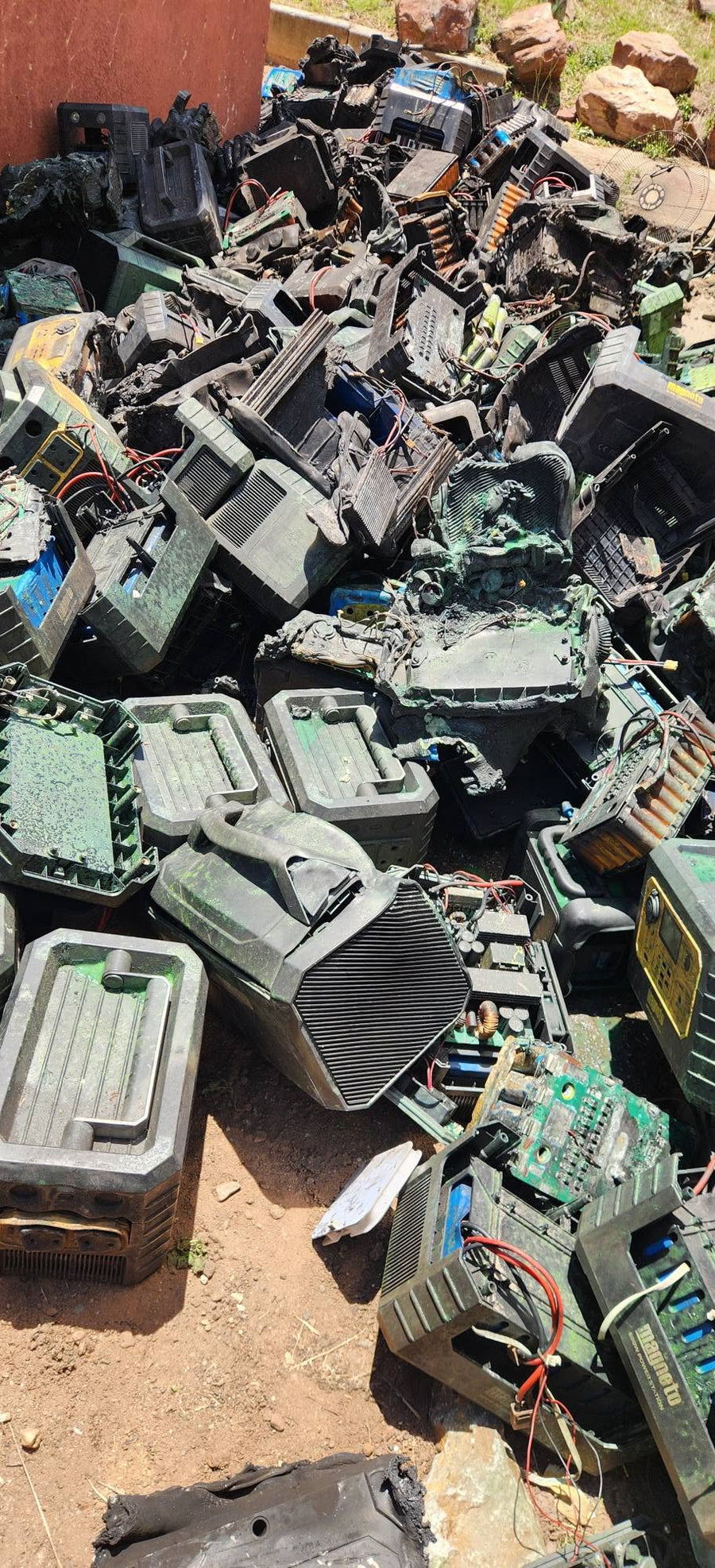
The incident began when one of the batteries reportedly experienced an internal fault, resulting in thermal runaway. The resulting fire caused significant damage to all five battery units, as well as associated inverters installed within the residential garage.
Fortunately, no injuries were reported.
However, what followed highlighted one of the most concerning risks associated with fire-damaged lithium batteries: delayed re-ignition, even weeks after the original incident.
A Second Fire Approximately Three Weeks Later
Following the initial fire, the damaged battery equipment remained at the residential property while insurance assessments and collection arrangements were pending.
Approximately three weeks after the original incident, a further re-ignition event was reported.
This raised serious concerns about the continuing risks associated with storing severely damaged lithium batteries on occupied premises.
Even after an initial fire has been extinguished, compromised lithium battery cells may retain electrical energy or contain internal faults capable of generating additional heat.
The Kimberley incident demonstrated how damaged energy storage equipment can remain hazardous long after the initial emergency has passed.
Salvage Solar Called in for Specialist Battery Recovery
Following the incident, Salvage Solar was contacted to assist with the specialist recovery, containment and responsible disposal of the five fire-damaged LiFePO₄ batteries.
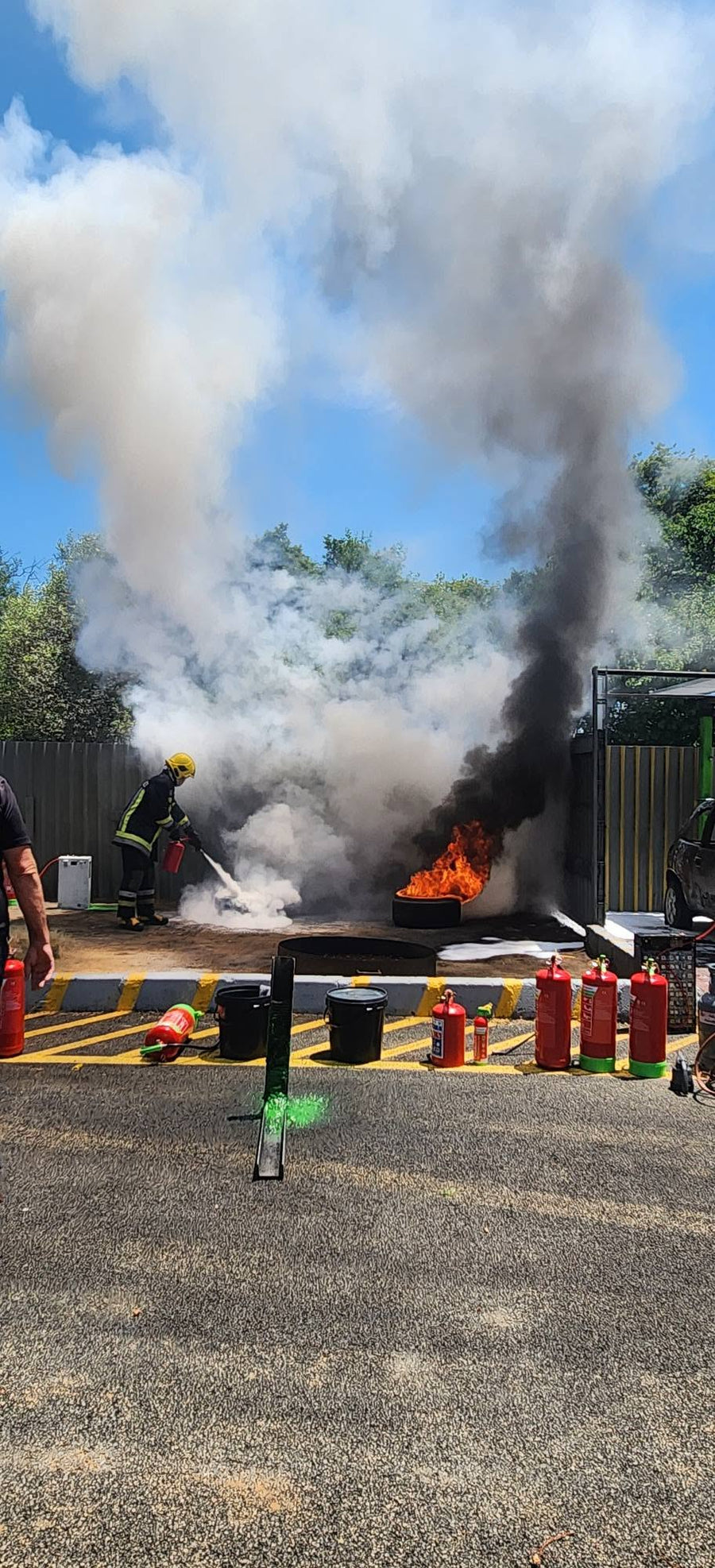
During the recovery operation, an abnormal temperature increase was observed in one of the affected battery units.
This was followed by another re-ignition event during the handling phase, highlighting the unstable condition of the damaged equipment.
The situation required specialist intervention to manage the immediate thermal hazards and facilitate the safe removal of the batteries from the residential property.
Fireblock Lithium Firefighting Gel Used During Recovery
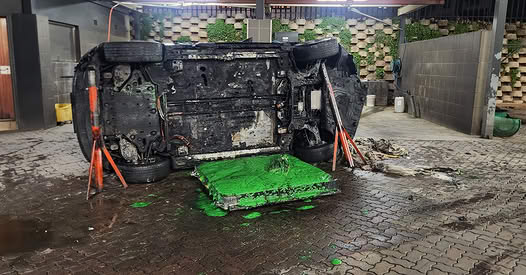
As part of the recovery operation, Fireblock Lithium Firefighting Gel was applied internally to all five affected battery units.
The specialised firefighting gel was used to assist with cooling, suppression and encapsulation of the damaged components, helping manage ongoing thermal activity and reduce the potential for further escalation.
The application formed part of the risk-mitigation measures undertaken during the recovery process.
Following the necessary precautions, all five damaged batteries were successfully removed from the premises.
The affected units were subsequently secured for controlled containment and responsible disposal.
Why Can Lithium Batteries Re-Ignite Weeks After a Fire?
One of the most important lessons from the Kimberley incident is that lithium battery fires can present risks long after visible flames have disappeared.
Several factors may contribute to delayed re-ignition.
1. Residual Stored Electrical Energy
Fire-damaged lithium batteries can retain electrical energy within individual cells, even when the overall system has been disconnected.
This residual energy may contribute to further electrical faults or localised heating.
2. Internal Short Circuits
Extreme temperatures and fire damage can compromise electrical insulation, separators and other internal battery components.
These defects may create unintended electrical connections that generate additional heat.
3. Compromised Battery Management Systems
The Battery Management System (BMS) is responsible for monitoring critical operating conditions and enforcing safety limits.
Following severe thermal damage, these protection systems may become unreliable or completely inoperative.
4. Continued Internal Thermal Activity
Although external flames may have been extinguished, damaged cells and surrounding materials can remain thermally unstable.
Depending on the extent of damage, internal heating may continue or develop into secondary thermal events.
5. Disturbance During Handling
Moving or disturbing severely damaged lithium batteries may introduce additional mechanical and electrical hazards.
This makes specialist assessment and controlled handling particularly important during post-fire recovery.
The Risks of Leaving Fire-Damaged Batteries on Site
The Kimberley incident highlights the potential consequences of leaving compromised energy storage equipment at a residential property while insurance assessments or recovery arrangements are pending.
Fire-damaged batteries may present ongoing risks, including:
-
Delayed re-ignition and secondary fires
-
Internal electrical short circuits
-
Unpredictable temperature increases
-
Additional damage to surrounding property
-
Exposure to hazardous smoke and fire residues
-
Increased risks to occupants and recovery personnel
Where appropriate, early specialist assessment and controlled removal can significantly reduce the potential for secondary loss.
Importantly, severely damaged lithium batteries should not be moved or transported without an appropriate risk assessment and suitable safety precautions.
The Importance of Specialist Lithium Battery Recovery
Conventional cleanup procedures are not always suitable for fire-damaged energy storage equipment.
Lithium battery recovery requires an understanding of stored electrical energy, thermal hazards, damaged battery components and safe handling requirements.
At Salvage Solar, we specialise in the assessment, salvage, recovery and responsible recycling of damaged solar and renewable energy equipment.
Our services include:
-
Lithium Battery Fire Recovery: Specialist handling, containment and removal of damaged energy storage equipment.
-
Insurance Damage Assessments: Supporting insurers, assessors and property owners with incident-related equipment assessments and recovery.
-
Solar Equipment Salvage: Recovery of damaged batteries, inverters, solar panels and associated electrical components.
-
Post-Fire Risk Mitigation: Assessment and management of compromised equipment following fire incidents.
-
Solar System Decommissioning: Controlled removal of damaged, obsolete or end-of-life installations.
-
Responsible Recycling: Appropriate handling and recycling of damaged renewable energy equipment.
-
Scrap Equipment Purchasing: Purchasing faulty, damaged, obsolete and end-of-life batteries, inverters, panels and other solar equipment for suitable salvage and recycling.
Operating from Gauteng and providing services nationwide, Salvage Solar assists residential, commercial and industrial clients with specialist equipment recovery and end-of-life management.
A Reminder That the Danger Doesn't End with the Fire
The Kimberley incident serves as an important reminder that the successful extinguishment of a lithium battery fire does not always mean the associated risks have been eliminated.
In this case, re-ignition was reported approximately three weeks after the initial event, with further thermal activity and re-ignition occurring during specialist recovery.
These events highlight the importance of proper post-fire assessment, appropriate isolation, thermal monitoring and controlled removal.
A damaged lithium battery may appear inactive while still presenting serious electrical and thermal hazards.
Through specialist recovery procedures and appropriate risk-mitigation measures, Salvage Solar helps homeowners, insurers and businesses manage these risks while ensuring compromised renewable energy equipment is handled responsibly.
Because the fire may be out, but the risk may remain.
Need Assistance with Fire-Damaged Lithium Batteries?
If your lithium battery, inverter or solar installation has experienced fire damage, flooding or electrical failure, Salvage Solar can assist with specialist assessment, recovery, salvage and responsible recycling.
We also purchase scrap, damaged, faulty and end-of-life solar equipment, including batteries, inverters, solar panels and associated renewable energy components.
Salvage Solar (Pty) Ltd
Specialist Lithium Battery Recovery & Risk Mitigation
Operating Nationwide | Based in Gauteng, South Africa
Email: info@salvagesolar.co.za
Phone / WhatsApp: 082 705 6974
Website: www.salvagesolar.co.za